Odin: – So I noticed there were quite a few questions about fabric. What do you have to say about that?
Me: – Well, sir, as Professor Lupin told Harry in Harry Potter and the Prisoner of Azkaban, I will not pretend to be an expert fighting Dementors, but I’ll try to help.
I love History of Fashion. I love looking at all those beautiful clothes that very talented seamstresses are producing and posting on Instagram. I love historical reenactment (participated in a few events meself, if I might add), and there is nothing quite like wearing period costumes to make you get the feeling of a certain period.
In what comes to the Ancient times, unfortunately, we do not have any surviving specimen. The materials used deteriorated far too easily for them to be preserved. Does that mean we don’t know the first thing about ancient clothing? No! Fortunately for us, we have plenty of mosaics, sculptures, frescoes and mentions in ancient written sources that introduce us to this world of dressing up 3000 years ago. So let’s dig into that and see what we can say about today’s questions. Considering they were all surrounding the same subject, there are three being discussed here today:
What empires had what resources to create fabrics?
This is an interesting question. In theory, most empires within the same continent have the same basic resources to create fabrics, back in the ancient times and without fast means of transport. Europe and Northern Africa have to rely on their resources, then Asia, Oceania, America and Africa will have their own. That does not mean there was not trade between some of these continents, namely between the Mediterranean world, the Middle East and Eastern Asia, as you’ll see below; but raw material availability will definitely influence the fabrics most in use, especially in the lower strata of the population.
First things first.
There are two main sources of fabric materials for these ancient civilisations, namely animal and vegetable sources.
In what comes to the main animal sources, there were three main products that could be transformed into wearable fashion: wool, fur and hides.
In terms of the most widely used vegetable source for ancient clothing, it would be flax, which is used to make linen; they could also use jute, although it was not as common amidst Greek and Roman people during the Classical era. Aside from these resources, there is also the case of silk, made by silkworms.
How the use of these materials translates into actual fabric making greatly depends on two factors: raw source availability and the climate. Therefore:
- Silk: silk has been produced in China since the 4th millennium before our era, according to Wikipedia data (lol!), with the Silk Road starting about the 1st millennium BCE. Whereas China would have been producing silk since early on, this production did not reach other regions until much later, firstly through Japan, then the Byzantine empire in the 6th century CE, then the North of Africa, South of modern-day Spain and Sicily during later periods in the Middle Ages. There’s an interesting book about the Roman Empire and Silk Routes by Raoul McLaughin (check the Bibliography below!): if you check Chapter Two, it will give you a detailed account of how silk would have been used by the Romans:
- Romans, Greeks and other civilisations of the Mediterranean basin did not produce silk. They had it imported and used to make very colourful garments and other useful pieces of fabric to use in public events. Another interesting point made by McLaughin is that statue of the gods would sometimes be dressed in silk for religious acts and processions. So silk, to these people, is mostly something for the very wealthy and for the Gods. This silk could be woven into delicate patterns, made into damask, or even embroidered with gold.
So, if silk was for the wealthy, what did everyone else wear?
- Mainly, wool and linen. In Ancient Egypt, for instance, probably due to climate, they mostly wore linen, made of flax fiber; in Ancient Greece, where animal breeding was one of the main sources of living and where the climate was slightly different in certain regions, wool was very popular. The same went for Ancient Rome.
- Felt could also be used for certain clothing articles, such as the pileus, a cap that became popular in certain areas of the Western Mediterranean and, later, in Rome.
- Cotton – not as common as the rest, it was also imported from Asia (India), and was not half as popular nor half as widespread as linen and wool.
- There were several different combinations of these different fabrics, to create specific clothes that would have been more adaptable or more fashionable, considering the context.
- Although most people did not wear shoes, especially in warm climates, these could be made out of leather or vegetable fiber.
And if you go north?
- Aside from leather and wool, which would also have been used, population living in colder areas would have also invested in animal fur.
Long story short: the main materials in use in the Mediterranean world were wool and linen; silk was imported and reserved to the upper classes; there were some other fabrics, both of vegetable and animal origin, but they weren’t as widely used.
How did this contribute to the function and the style of clothes?
The resources you have and the climate you live in, as I said above, will of course influence style and function. This is a period before zippers, and even before buttons, which only appeared in a functional form for use in clothing in the Middle Ages. So all clothes stayed in place through the use of pins, brooches, ties… you name it. The ways one can pin fabric over fabric, or fold fabric over fabric, are endless, and regional variance appears throughout the whole Mediterranean. Fashion-wise, it is hard to say why a certain civilisation develops a certain style; I suppose the environment and their particular culture may have influenced them, but I can explain it no more than I can explain the appearance of crinolines and tight-lacing in the mid-19th century. Of course, we can say that women were trying to attain a certain feminine ideal of fertility, narrow waist, larger hips, etc. etc. Perhaps similar phenomena happened with the ancient peoples. There were, however, two main differences:
- Short-haired people and long-haired people. Whereas the Greek and the Romans were huge fans of beardless, short-haired men (with shaving and plucking body hair in the mix), some regions in the Middle East, especially during the Pre-Classical period, were all for the beards and long hair, as were other peoples in Northern Europe. For instance, the Romans had the expression “Gallia Comata”, which literally means Gaul of the Long Haired.
- Trousers vs tunic. The Greeks and the Romans thought that trousers were a sign of barbarians, during the Classical Period. Once again, the Middle Eastern and the Northern European peoples were the pioneers of trousers, and this is very likely connected either to climate or to lifestyle. In people whose livelihood involved travelling many miles on horseback each day, for instance, trousers would have been a lot more practical. Of course, as Rome expanded, they realised that modern-day England and Scotland aren’t quite as warm, so they had to adapt and improvise, and did start wearing some types of trousers.
Some terminology just for the fun of it:
- Ancient Greek clothes, once again from Wikipedia: chiton, peplos, himation and chlamys. The peplos is a lady thing.
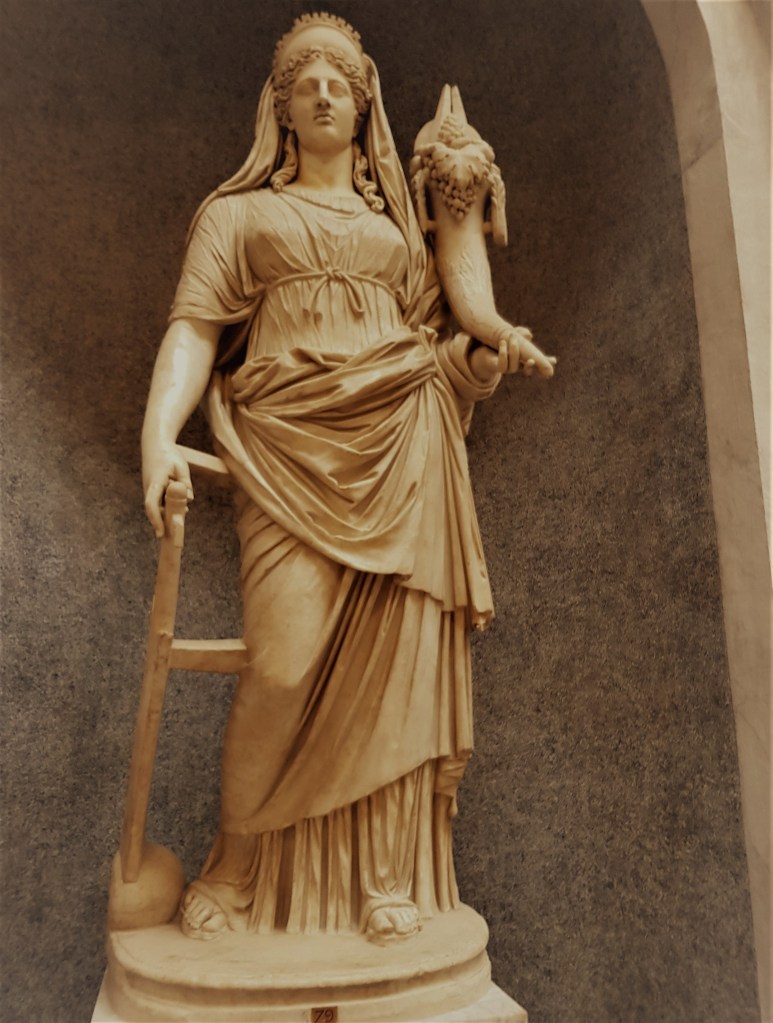
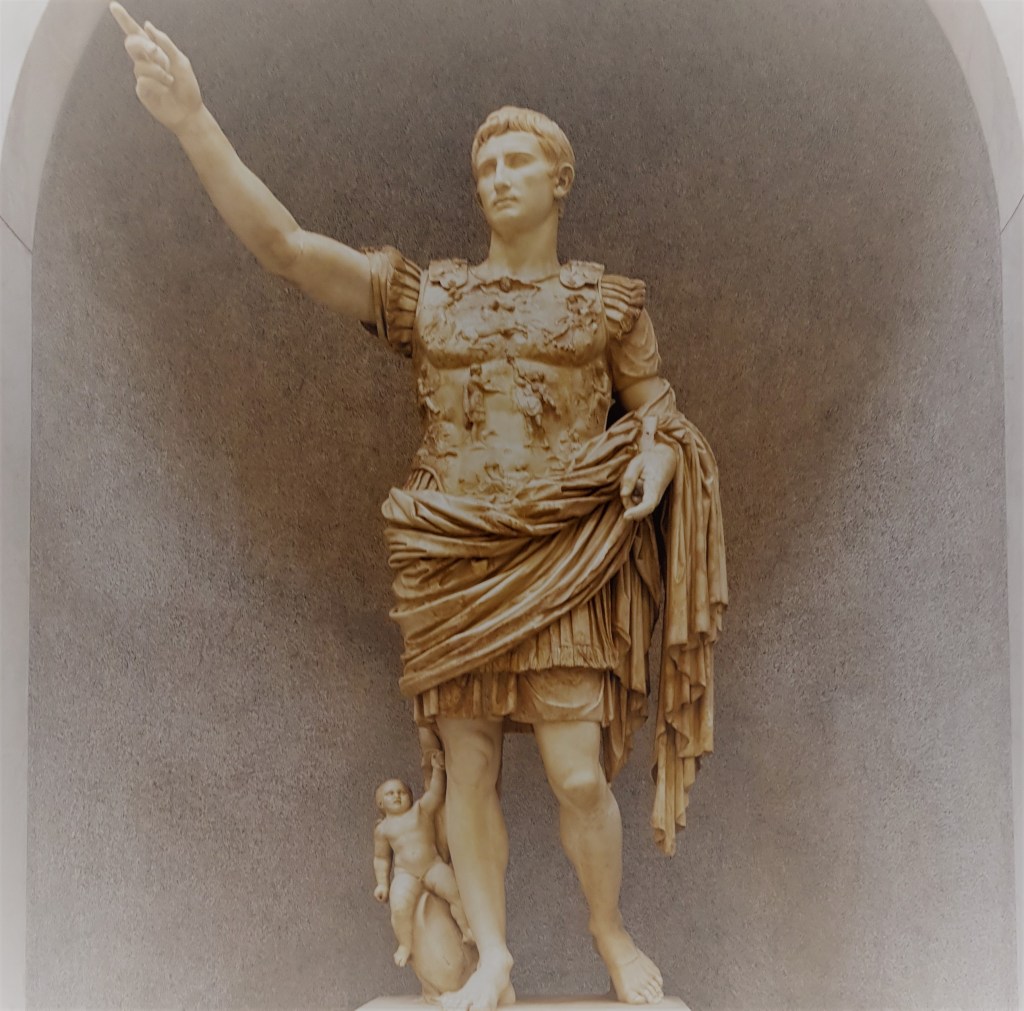
- Ancient Roman clothes: tunics. The popular toga for men, and then the palla and stola for women.
When did people weaving their fabric become obsolete in the West?
So, as we’ve seen, these materials are mostly turned into fabric through weaving. Human beans have started weaving fabric a long time ago, probably during the Paleolithic, and have gone through developing several techniques that involved the use of manual looms. During the Industrial Revolution, we start getting mechanical looms: in 1842, Kenworthy and Bulloughs allow for the semi-automatic loom, and weaving quickly turns into an industrialised activity. Of course, some people have still preserved the ancient art of manual looms, and you can purchase their fabrics by insanely expensive (but definitely deserved) prices, but from the late 18th century and especially throughout the 19th century, most weaved fabric has been transformed through mechanical processes and inside factories. This continued until our days.
Some examples of Roman fashion below:
Sources:
https://en.wikipedia.org/wiki/Weaving
https://en.wikipedia.org/wiki/Clothing_in_ancient_Rome#Other_plant_fibres
https://en.wikipedia.org/wiki/Clothing_in_ancient_Greece
https://en.wikipedia.org/wiki/Roman_Gaul
https://en.wikipedia.org/wiki/Trousers
https://en.wikipedia.org/wiki/Button#Button_sizes
https://en.wikipedia.org/wiki/Gaul
https://www.britannica.com/topic/dress-clothing/Ancient-Rome
https://en.wikipedia.org/wiki/Clothing_in_ancient_Rome
https://en.wikipedia.org/wiki/Pileus_(hat)
https://www.ducksters.com/history/ancient_egypt/clothing_of_ancient_egypt.php
http://www.historyofclothing.com/clothing-history/ancient-greek-clothing/
https://en.wikipedia.org/wiki/Cotton
https://en.wikipedia.org/wiki/History_of_silk
https://en.wikipedia.org/wiki/Sino-Roman_relations
https://www.unrv.com/economy/silk.php
http://www.tribunesandtriumphs.org/roman-clothing/roman-clothing-materials.htm
https://study.com/academy/lesson/ancient-roman-textiles.html
Raoul McLaughlin, The Roman Empire and the Silk Routes: The Ancient World Economy & the Empires of Parthia, Central Asia & Han China. 2016. Pen&Sword.
Thorley. “The Silk Trade between China and the Roman Empire at its Height, ‘circa’ a. d. 90-130”. Greece & Rome
 The Historian Chronicles