Born 1823, Paris.
Died 10 March 1903, Falmouth.
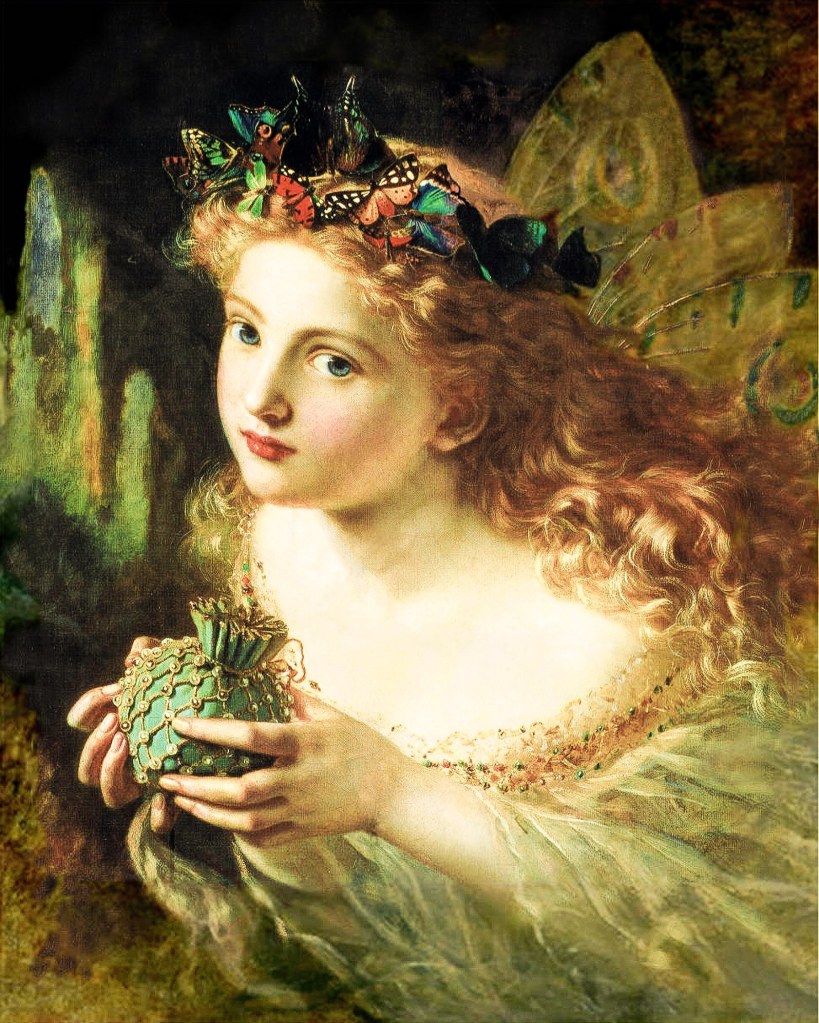
Even though Sophie is one of the most prolific painters in the 19th century – if you use Pinterest for browsing art, you’ve almost certainly found one of her works by now – there is not much easily available information about her. Even her exact birth date is a mystery: born in the troubled Paris of the 1830s, Sophie and her family would quickly become wanderers.
Sophie was the child of French father Charles Gengembre, architect, and British mother Marianne Farey, daughter of geologist John Farey. Her parents married very young – her father was around 18, which is a fairly early marriage age for men in the Victorian period. The family lived between France, London and the United States of America.
Sophie’s interest for art developed in an early age, and she is believed to have been mostly self-taught. The one exception is the period she is believed to have studied with painter and lithographer Charles de Steuben in her early 20s.
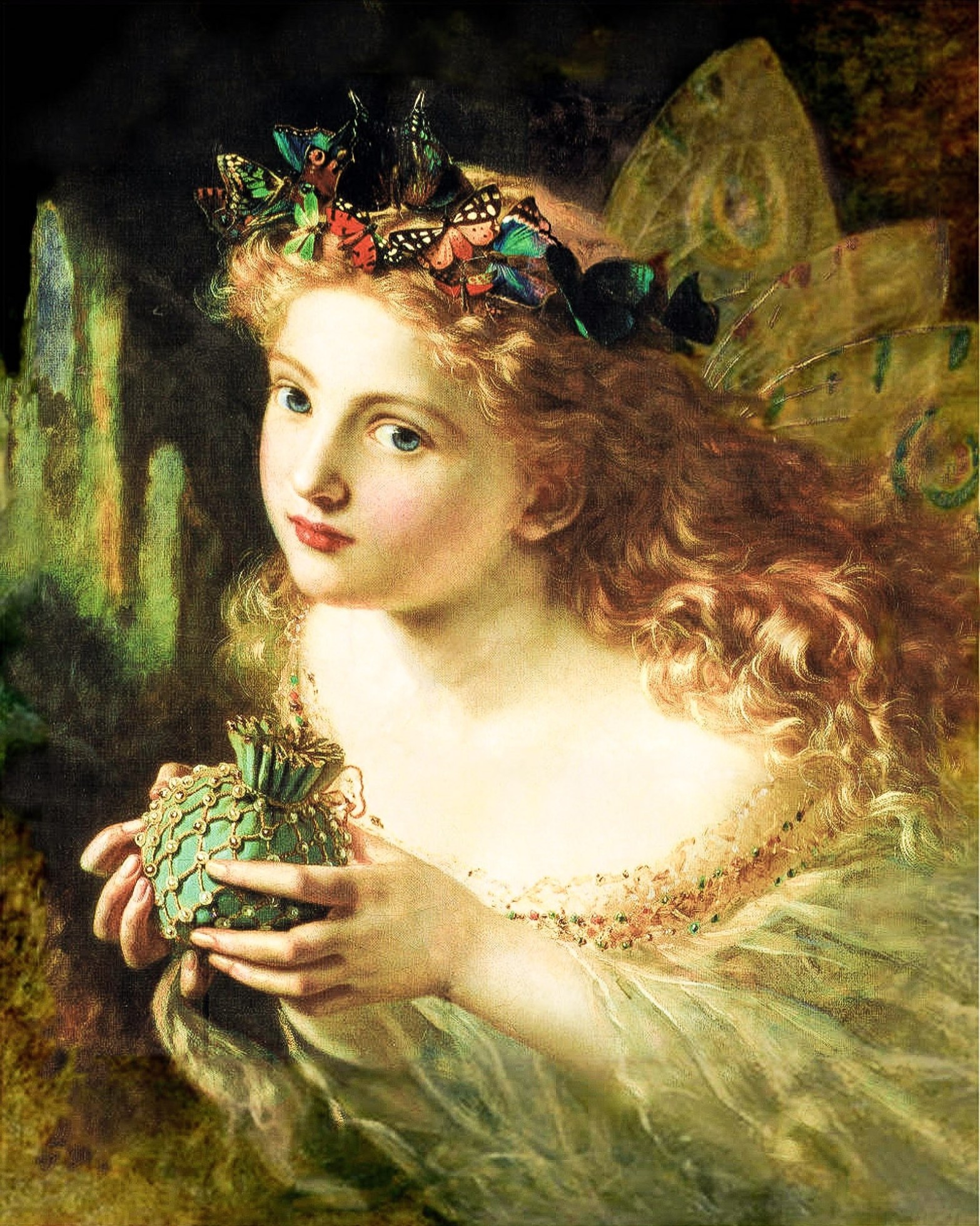
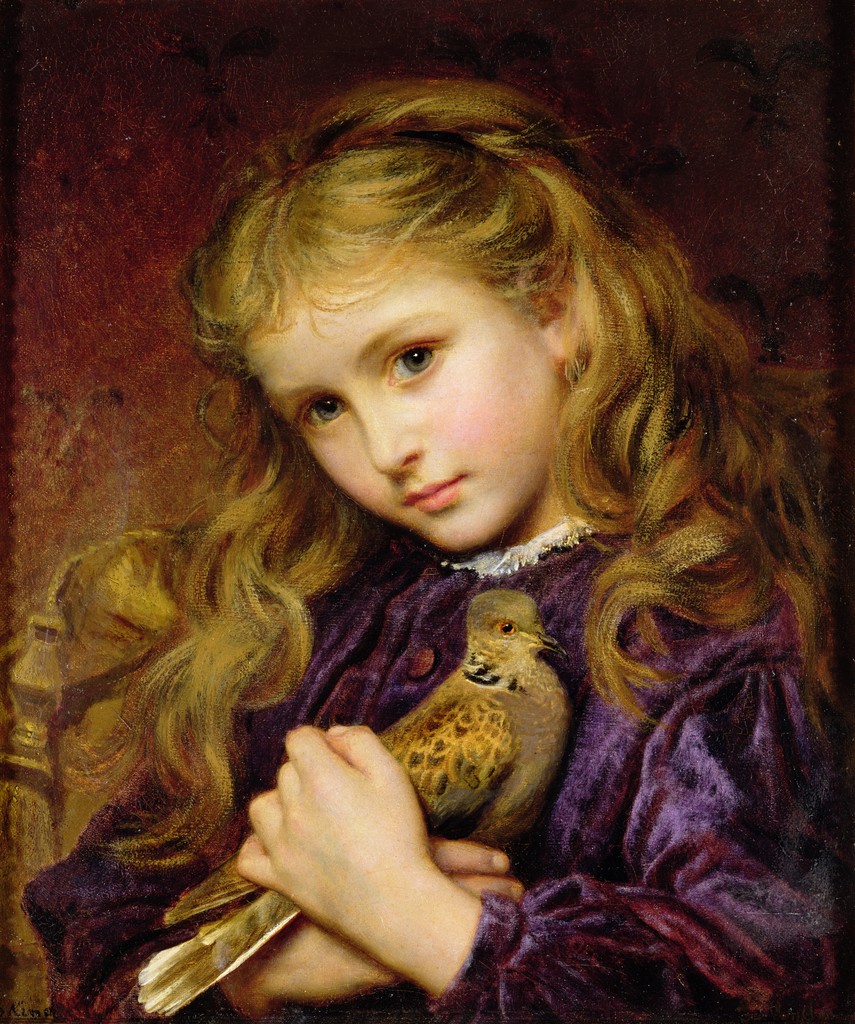
Most of her themes are subjects of Nature, or ideal representations of young women and children, as well as animals and still life. They were fairly popular during her lifetime, and Sophie had a successful artistic career. Her paintings were exhibited in galleries, her illustrations took part in book compendiums, and she worked at making coloured prints (chromolithography).
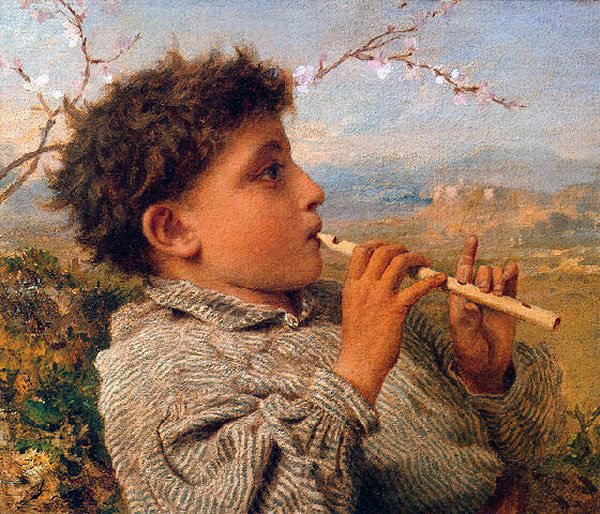
In her adult life, she kept moving around a lot. She went from Pennyslvania to London, from London to Capri, from Capri to Falmouth. She married Mr. Walter Anderson, an artist himself, and they were both productive all their lives. Their stay in Capri was partially made in function of Sophie’s health, but the fact it had become an artistic hub may have also been of consequence.
 The Historian Chronicles