We are featured in Twinkl’s Museums Campaign. Twinkl also have a wide variety of museum-related resources on their site.
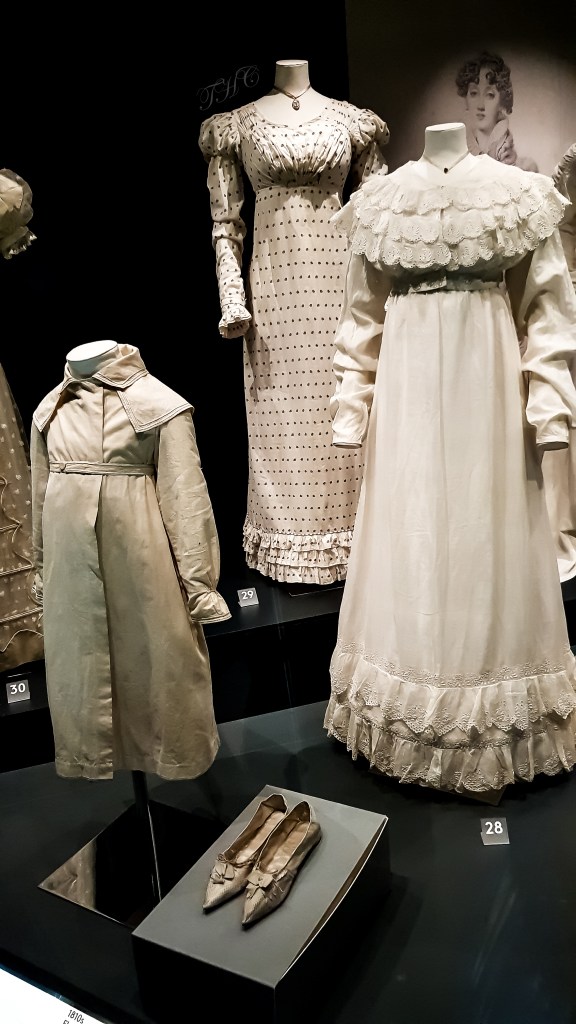
Historians, Archaeologists, Antropologists, Art Historians, you name it – everyone who studies the past eventually finds their way to a Museum. In my case, it happens far more than eventually. Whenever I have a holiday, I usually opt for places that allow me to visit Museums and Historical sites. In my case, and maybe yours too, it’s one thing to look at photos of a piece of History, and another to witness it in person.
One of my favourite Museum visits thus far was the one I made to the Fashion Museum in Bath, Somerset. I visited in 2018, back in the good old pre-Covid days, and it was one of the best-organised and largest collections of historical clothing I’ve seen thus far. The pieces span from the Georgian era to the 20th century, and for someone who really enjoys Historical Reenactment (I like to dress up like a Jane Austen character : D), and who is writing a novel set in the Regency period, looking at these very well-preserved outfits in the collection was a very happy moment indeed – not to mention the Museum is housed in the Bath Assembly Rooms, founded in 1769 as a place of local gathering.
It was also a pretty special experience because I went with my friend, @chloe_made_a_thing (you can find her on Instagram), who is the only person I know that gets as excited about this as me, and is a very special and disgracefully underrated historical seamstress, whose creations I hope to see in a film one day (you got this ma’am you got this).
Museums have been one of the most affected sectors during the pandemic. I deeply admire the hard work that workers of museums all around the work put into the preservation, interpretation and organisation of History, and this is a moment for me to express my gratitude and hope of a bright future for this important part of the cultural sector.
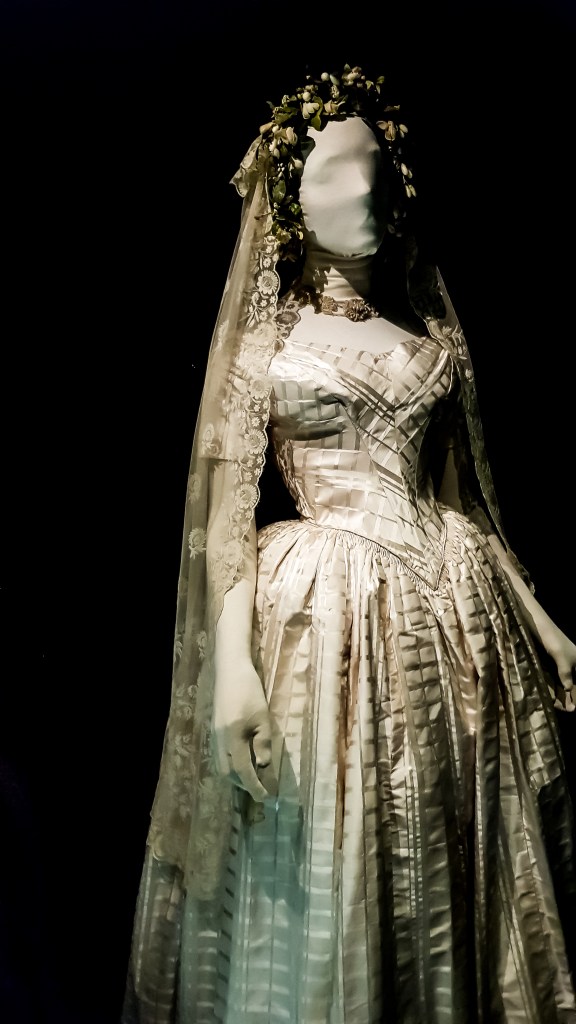
My love for museums comes from childhood. I used to go with my parents all the time, and that was decidedly influential; back then, there were also plenty of fieldtrips with school. I used to work with children and teenagers, and soon realised there was a great deal of difference between telling them something and showing them, which is why I find these visits so crucial to promote learning and an interest in the past.
For anyone who has children / works with children, Twinkl has a useful and fun resource for museum visits. You can check it out for free here: FREE! – My Trip to the Museum Booklet (teacher made) (twinkl.pt)
Twinkl also have a wide variety of history resources on their site. We participated in Twinkl’s Museum Day campaign in order to raise awareness and support local museums that have struggled during the pandemic. Alongside working towards a good cause and a welcome return to normality, Twinkl also has some resources around all things history, aimed for KS3 and GCSE aged children. For example, have a look at their FREE humanities taster pack.
Yours truly and thank you for reading 🙂
 The Historian Chronicles